How to Safely Change a Lightbulb (Without Risking a Shock)
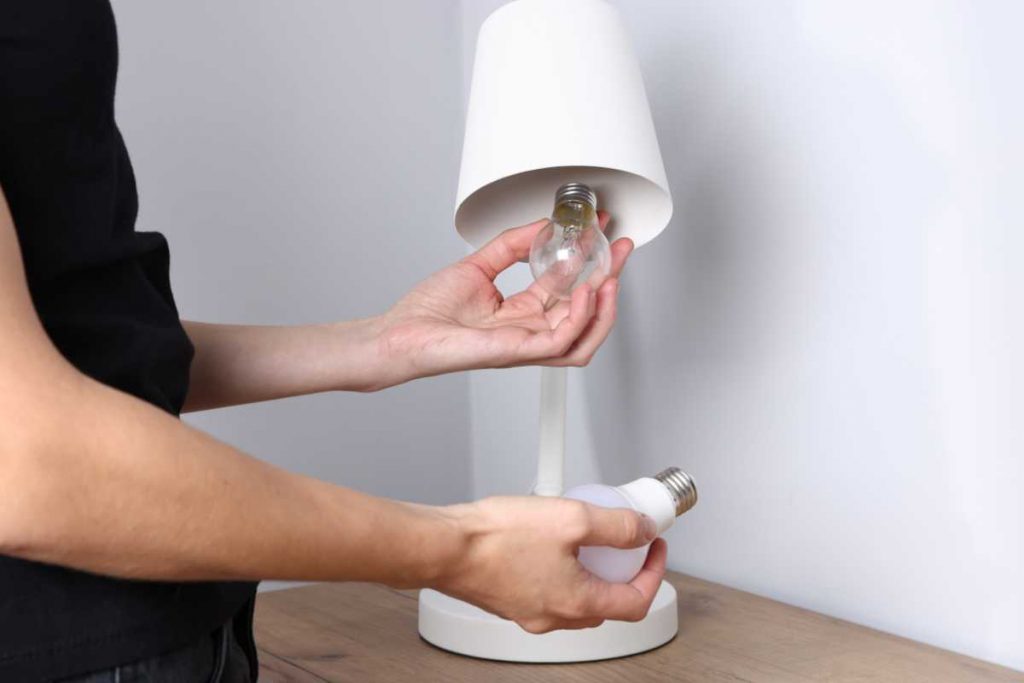
Changing a lightbulb sounds straightforward, and most of the time it is. But you’d be surprised how often people risk small shocks, broken fittings or even minor injuries by rushing the job.
If you’re not sure of the safest way to replace a bulb, here’s a simple step-by-step guide.
Step 1: Turn the Power Off
Before touching the fitting, switch the light off at the wall.
For extra safety, especially if you’re unsure about the condition of the fitting, you can turn the lighting circuit off at the consumer unit.
This reduces the risk of electric shock, particularly in older properties where wiring may not be clearly labelled.
Step 2: Let the Bulb Cool Down
Lightbulbs, especially halogen types, can become extremely hot.
Wait a few minutes after switching the light off before attempting to remove it. This avoids burns and reduces the chance of the bulb cracking in your hand.
Step 3: Know Your Bulb Type
In UK homes, the most common bulb fittings are:
- Bayonet cap (BC/B22) – Push in and twist anti-clockwise
- Edison screw (ES/E27 or E14) – Twist anti-clockwise
- GU10 spotlight – Push slightly and twist
- Integrated LED fittings – These may not have a replaceable bulb
Make sure you replace like-for-like in terms of fitting type and recommended wattage (or LED equivalent).
Step 4: Avoid Over-Tightening
When fitting the new bulb, it only needs to be secure, not forced.
Over-tightening can damage the holder and make future removal difficult.
Step 5: Check It Works Properly
Once fitted, restore the power and switch the light on.
If it doesn’t work:
- Double-check the bulb is compatible
- Ensure it’s fitted correctly
- Try another bulb
If it still doesn’t work, the issue may not be the bulb at all.
When It’s Not Just the Bulb
Sometimes a “blown bulb” is actually a sign of a bigger issue.
Call a qualified electrician if you notice:
- Lights flickering regularly
- Bulbs blowing frequently
- Buzzing from the fitting
- Burning smells
- Discolouration around the light fitting
- Circuit breakers tripping
These can indicate loose connections, voltage fluctuations or wiring problems.
Upgrading to LED?
If you’re still using older halogen or incandescent bulbs, it may be worth switching to LED lighting.
LED bulbs:
- Use significantly less electricity
- Last much longer
- Produce less heat
- Reduce your energy bills
If you’re unsure whether your fittings are suitable for LED upgrades, we can advise.
A Quick Word on Safety
If your light fitting is damaged, loose, cracked or exposed, don’t attempt to repair it yourself.
Electrical work in the UK must meet current regulations, and DIY fixes can cause more harm than good.
Need Help With Lighting?
If changing the bulb hasn’t solved the problem, or you’d like to upgrade your lighting system, Forest Edge Electrical provides lighting installation, fault finding and electrical repairs across Dorset, Wiltshire and Hampshire.
If something doesn’t feel right, it’s always better to get it checked.