10 Essential Electrical Safety Tips Every Homeowner Should Know
Electricity is something we all rely on every day, but it’s easy to forget how powerful it is. Most electrical systems in UK homes are safe when properly installed and maintained, but small issues can quickly become serious if ignored.
Here are ten straightforward electrical safety tips every homeowner should keep in mind.
1. Don’t Overload Sockets
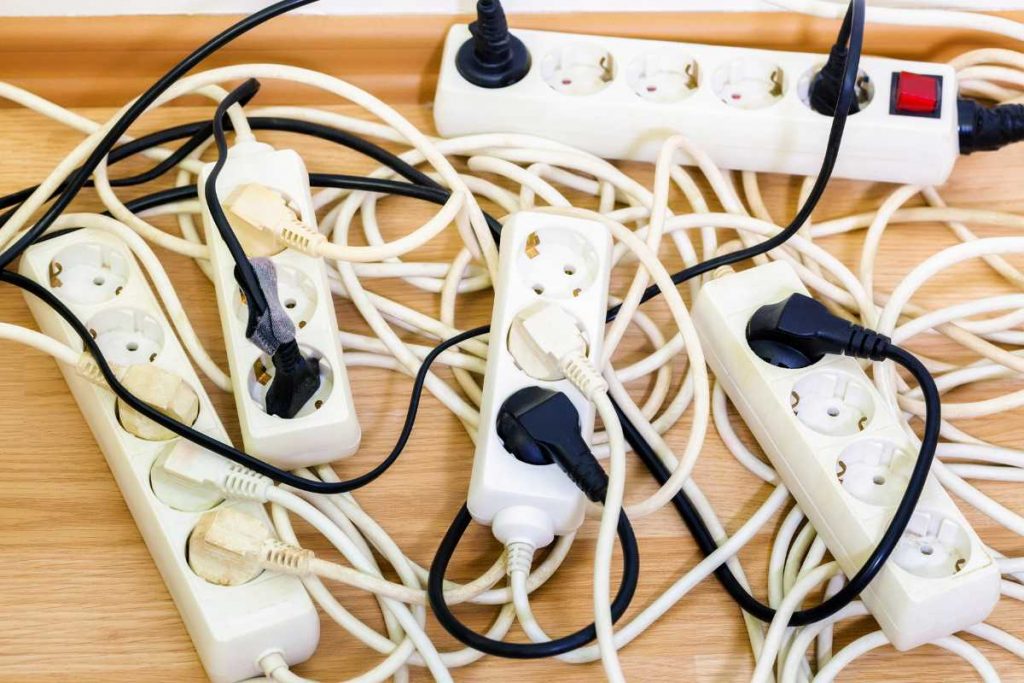
Plugging too many appliances into one outlet using adaptors or extension leads can overload circuits and increase the risk of overheating or fire.
If you regularly run out of sockets, it may be safer to install additional outlets rather than relying on multi-plugs.
2. Check Cables for Damage
Frayed or damaged cables are a common cause of electrical faults. If you notice exposed wiring, cracked insulation or loose plugs, stop using the item immediately and replace it.
3. Avoid DIY Electrical Work
Changing a lightbulb is one thing, altering wiring or installing new circuits is another.
Electrical work in the UK must meet strict regulations. Poor DIY installations can lead to shocks, fires and costly repairs later on.
If in doubt, call a qualified electrician.
4. Test Your Smoke Alarms Monthly
Smoke alarms should be tested at least once a month and batteries replaced when required. They’re your first line of defence in the event of an electrical fire.
If your alarms are older, it may be worth upgrading to newer, mains-powered units with battery backup.
5. Keep Electricity Away from Water
Water and electricity are a dangerous combination. Never use electrical appliances near sinks, baths or outdoors unless they are specifically designed for it.
Outdoor sockets and lighting should always be properly rated and professionally installed.
6. Watch for Warning Signs
Pay attention to:
- Flickering lights
- Frequent tripping at the consumer unit
- Burning smells
- Buzzing sounds from switches
- Discoloured sockets
These are signs something isn’t quite right and should be checked promptly.
7. Know Where Your Consumer Unit Is
Every homeowner should know where their consumer unit (fuse board) is located and how to turn the power off in an emergency.
If your consumer unit is very old, it may be worth considering an upgrade to improve safety.
8. Don’t Ignore Tripping Circuits
If your electrics trip repeatedly, resetting the switch isn’t solving the problem, it’s just masking it.
Frequent tripping usually indicates a fault that needs investigating.
9. Be Careful with Outdoor Electrics
Extension leads trailing through windows and doors aren’t designed for long-term outdoor use. If you regularly need power outside, installing a proper outdoor socket is much safer.
10. Book Regular Electrical Inspections
Even if everything seems fine, wiring can deteriorate over time. Having an Electrical Installation Condition Report (EICR) every 10 years (or sooner in older properties) gives peace of mind that your home is safe.
For landlords, regular inspections are a legal requirement.
Stay Safe at Home
Electrical safety doesn’t need to be complicated, but it does require attention. Small issues left unchecked can become larger, more expensive problems.
If you’re unsure about the condition of your electrics, Forest Edge Electrical provides safety inspections, fault finding and upgrades across Dorset, Wiltshire and Hampshire.
If something doesn’t look or feel right, don’t ignore it, get it checked.